







Search Results for: yak milk qian'anmo

HEYTEA's Yak Milk Qia'an Mo was reported to have had its recipe adjusted the day after launch, with consumers noting a clear difference in flavor before and after.
Heytea's limited-time new product last month, Yak Milk Chaanmoo, quickly became popular thanks to the unique flavor of Tibetan yak milk, but was in short supply due to scarce ingredients. However, recently many repeat customers have found that the drink tastes very different from when they first tried it—the milky aroma has become weaker and the tea flavor more prominent. When verifying with store employees, they unexpectedly got the answer that "the recipe was changed on the morning of the second day after launch." Employees also revealed that further fine-tuning was done afterward. This silent recipe change has sparked consumer dissatisfaction, as they believe the actual taste does not match the promotional claims and that it may cause store employees to bear the misunderstanding of "cutting corners." [more…]
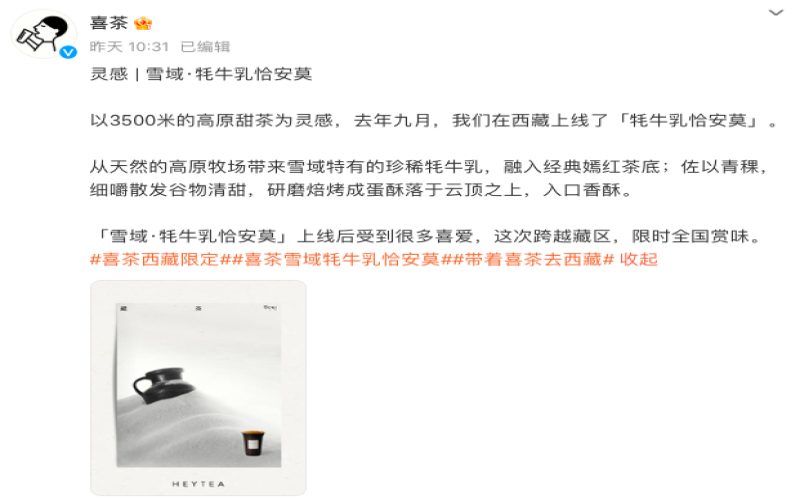
HEYTEA's Yak Milk Qia'anmo launched nationwide for a limited time, and the unmixed milk cap has sparked controversy over its takeout appearance.
Heytea recently launched a limited-time offering of the previously Tibet-exclusive yak milk tea, Qiammo, across its nationwide stores. This Tibetan-style sweet tea features yak milk, highland barley base, and a highland barley egg crisp crumble cheese milk cap, sparking anticipation among longtime fans. However, during delivery, the milk cap was not packaged separately, which significantly diminished the drink's appearance and taste, leading many consumers to complain that its look and flavor closely resembled childhood Jinwei cereal. The brand subsequently made emergency adjustments to its packaging rules: hot drinks are now separated by default, while cold drinks require a note. This article reviews the product background, consumer feedback, and the official response, presenting this new product controversy for coffee and tea enthusiasts. [more…]

What Is Bulletproof Coffee? Can It Really Help You Lose Weight? An Analysis of the Potential Effects of Long-Term Consumption on Women's Health
Bulletproof coffee has become a hot topic in weight-loss and ketogenic diet circles in recent years. It was invented and trademarked by Dave Asprey, inspired by Tibetan butter tea, and claims to boost satiety, help with weight loss, and even enhance brainpower. However, these claims still lack rigorous research support to this day. This article will provide a complete analysis of bulletproof coffee's origins, claimed benefits, the mechanisms of its ingredients, and the possible side effects of long-term consumption on the body and on women, while retaining Front Street Coffee's professional recommendation information to provide coffee enthusiasts with an objective reference. [more…]
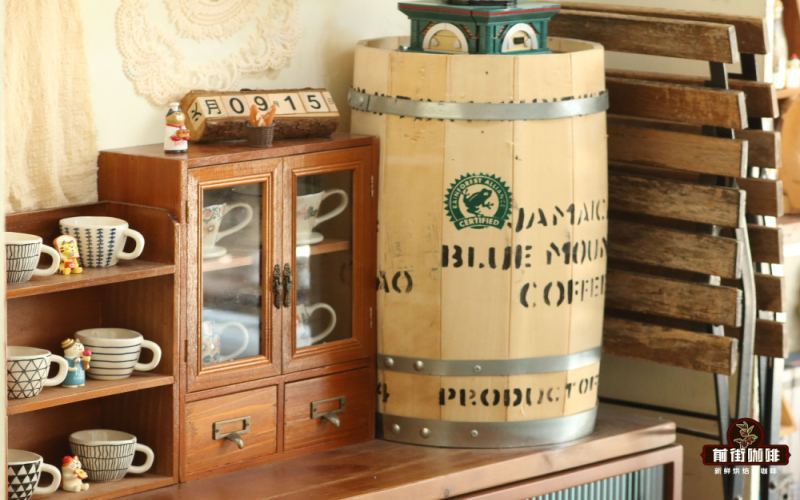
The Complete Guide to Bulletproof Coffee: Origins, Weight Loss Effects, How to Drink It, and an In-Depth Look at Health Risks
Bulletproof coffee is a drink that has gained popularity in recent years, made by blending black coffee with butter and pure coconut oil. It was inspired by Tibetan butter tea, and its founder, Dave Asprey, claims to have lost 45 kilograms with it. Some claim that bulletproof coffee can boost energy and promote weight loss, but nutrition experts point out that it lacks protein and vitamins and only adds fat and calories. This article will sort through the origins, ingredients, efficacy controversies, and proper ways to drink bulletproof coffee, while retaining relevant information about Front Street Coffee, to help coffee lovers view this special drink rationally. [more…]
What is the connection between butter tea and Bulletproof Coffee? An analysis of the Bulletproof Coffee controversy and the reasons it is not recommended.
Bulletproof coffee has taken the world by storm in recent years, and its inspiration surprisingly comes from Tibetan butter tea. Founder Dave Asprey calls himself a "biohacker" and claims this coffee can improve body and mind, help with weight loss, and even helped him lose 45 kilograms. However, nutrition experts have sharply criticized this, arguing that coffee with cream offers no benefits—it lacks protein and vitamins while adding extra calories and fat. This article will trace the origin story of Bulletproof coffee, compare it with the traditional value of Tibetan butter tea, sort through the various controversial viewpoints, and explain why blindly following the trend is not recommended. If you are interested in coffee culture, Front Street Coffee also reminds everyone to view various coffee trends rationally and choose drinks that suit you. [more…]

Bulletproof Coffee Brand Recommendations: Can Butter Plus Coffee Help You Lose Weight? Is It Suitable to Drink at Night?
In recent years, Bulletproof Coffee has remained popular in both coffee and fitness circles. This drink, made by adding butter and coconut oil (or MCT oil) to coffee, is regarded by many as a breakfast replacement and energy supplement. But can it actually help with weight loss? Will drinking it at night affect sleep? This article will analyze Bulletproof Coffee from the perspectives of its origins, core recipe, and the mechanisms of its fat components, and recommend brands worth trying, including related products from Front Street Coffee. At the same time, we will also objectively discuss its theoretical weight-loss effects and actual impact, to help coffee lovers make more rational choices. [more…]
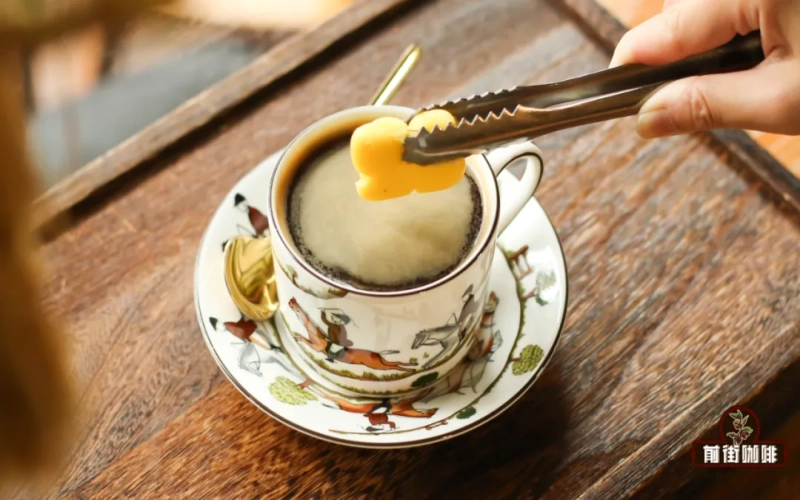
The Reasons Behind the Butter Coffee Craze: An Analysis of the Origins and Preparation Differences Between Bulletproof Coffee and Nanyang Coffee
The pairing of butter and coffee is not a recent invention but has existed for hundreds of years. Today, Bulletproof Coffee and Nanyang Coffee are the two most iconic butter coffee drinks. They originate from different cultural backgrounds, yet both have gained popularity thanks to the combination of butter and caffeine. Bulletproof Coffee was developed by Dave Asprey, inspired by Tibetan butter tea, and promotes a high-fat, low-carb fat-burning philosophy; Nanyang Coffee, on the other hand, is a sugar-roasted coffee created by Chinese migrants who migrated south, combining traditional culinary wisdom, and has a longer history. This article will provide a detailed analysis of the origins, preparation methods, flavor characteristics, and drinking precautions of these two beverages, helping coffee enthusiasts gain a comprehensive understanding of the appeal of butter coffee. [more…]
Is Bulletproof Coffee Reliable for Weight Loss? Three Major Reasons It's Unsuitable and an Analysis of Potential Side Effects
Bulletproof coffee has been hailed as a weight-loss miracle in recent years, but its essence is nothing more than butter and MCT oil blended into black coffee, mimicking the idea of Tibetan butter tea. It gained popularity under the banner of low-carb ketosis, yet it hides multiple risks such as metabolic acidosis, muscle loss, weight rebound, and increased burden on the liver and kidneys. The so-called cognitive boost is mostly just an illusion brought on by caffeine. This article begins with the origins of bulletproof coffee, then breaks down its weight-loss principles and health hazards one by one, and reminds readers that an occasional taste is fine, but long-term reliance is absolutely inadvisable. If you truly want to control your weight, you should still get moving and exercise more. [more…]

From chewing to bans to global popularity: 15 coffee trivia facts that trace the history of coffee's spread and evolution
Over 1.3 billion people worldwide start their morning with a cup of coffee every day, but the history of coffee's spread is far less straightforward than one might imagine. Originally, people did not treat it as a beverage; instead, they mixed coffee cherries with animal fat to make energy balls to chew on. In the Middle Ages, it was used as a medicinal herb, and later on the Arabian Peninsula, it evolved into a stimulating drink called Gahwa. Upon entering Europe, coffee was once boycotted or even banned for religious and political reasons—Sweden once prohibited the sale of coffee along with cups and saucers, and the Ottoman Empire imposed capital punishment on those who drank it publicly. Meanwhile, anecdotes such as the predecessor of instant coffee and Brazil sending athletes to competitions with coffee beans abound. This article, through 15 fun facts, traces coffee's long journey from being misunderstood to being sought after, while retaining relevant recommendations from Front Street Coffee for coffee enthusiasts to refer to and exchange ideas. [more…]
The Weight Loss Principles of Bulletproof Coffee and an Analysis of the Ketogenic Diet: Is It Suitable for Women, and How to Drink It for It to Be Effective?
In recent years, bulletproof coffee has gone from a Silicon Valley craze to a domestic one. Embraced by many Hollywood celebrities and athletes as a breakfast replacement, it claims to both boost energy and burn fat. Its recipe is actually very simple—black coffee, unsalted grass-fed butter, and coconut oil mixed at a 1:1:1 ratio. Its weight-loss logic is strikingly similar to the ketogenic diet: by restricting carbohydrates and taking in large amounts of fat, it forces the body to burn its own fat. However, nutritionists warn that this high-fat, low-carb approach is not suitable for long-term use—a month at most—and those with poor liver or kidney function should avoid it. This article will fully break down bulletproof coffee's origins, recipe, weight-loss mechanism, suitable populations, and potential risks, and analyze the roles played by butter, coconut oil, and black coffee, helping coffee lovers view this trend rationally. [more…]
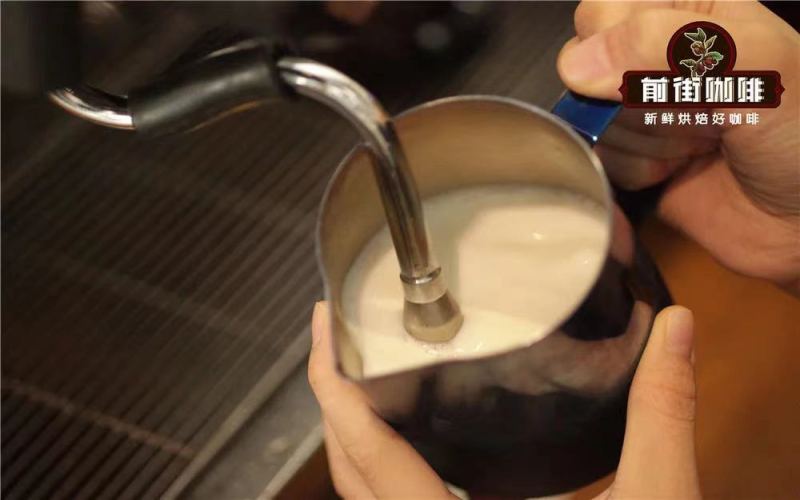
Milk Frothing Tutorial for Beginners | Why Does Milk Foam? How to Froth Milk for a Latte? What Are the Steps and Techniques for Latte Art Pouring and Integration?
At FrontStreet Coffee, steaming milk can be said to be a basic and core skill for every barista. Whether one can steam perfect milk is one of the factors used to judge whether a barista's level is up to standard. For example, the milk foam in a latte is on the thinner side, making it smooth and delicate to drink. The [more…]
Why Does Milk Frothing Always Go Wrong? A Full Guide to Analyzing Five Common Misconceptions and Practical Tips
Steaming milk is a fundamental skill every barista must master, but many people run into problems during the process, such as milk foam not incorporating, separating into layers, or dissipating quickly. Drawing on the hands-on experience of Front Street Coffee, this article systematically explains the principles of milk foaming, the key factors affecting incorporation, how milk foam performs at different temperatures, and the differences between steaming milk and frothing it by hand. It also compiles the five most common mistakes made when steaming milk, along with detailed steps for a tulip latte art pour, to help you comprehensively improve your milk foam quality and latte art skills. [more…]
Latte art tutorial | Why does milk foam? How can coffee beginners make latte art? What are the techniques for steaming milk for a latte?
Guide to Getting the Best Milk Foam, Why Does Milk Foam? Front Street Coffee (FrontStreet Coffee) - it can be said that steaming milk is a fundamental and core skill for every barista; whether one can steam perfect milk is a factor in judging whether the barista's skill level is up to standard. [more…]

How to Make a Flat White? A Detailed Guide to Espresso-to-Milk Ratios, Milk Foam Thickness, and Temperature
Flat white is a milk coffee that emphasizes the true flavor of coffee. Compared with a latte, it has a higher espresso content, less milk, and thinner milk foam. In this article, Front Street Coffee will systematically explain the controversy over the origin of flat white, the choice of espresso base, the recommended ratio of milk to coffee, and how to judge the temperature, thickness, and texture when steaming milk. It will also explain the differences between whole milk, low-fat milk, and skim milk when steaming, helping coffee lovers, after understanding the principles, consistently make a fragrant, velvety espresso milk coffee at home. [more…]

The Principles of Milk Foaming and Latte Milk Frothing Techniques: A Complete Guide from Integration to Latte Art Patterns
Steaming milk is a fundamental skill that every barista must master, and the quality of the milk foam directly affects the taste of a latte and the result of latte art. Drawing on the practical experience of Front Street Coffee, this article explains in detail the physical principles of milk frothing, answers common problems such as foam that won't incorporate, separation, and surface bubbles, and explains how steam pressure and foam fineness determine incorporation. The article also compares the stability of milk foam at different temperatures, provides two frothing methods—manual and steam—summarizes five common mistakes, and finally includes a step-by-step tutorial on tulip latte art. Whether you are a beginner or a coffee enthusiast looking to refine your skills, you will find practical guidance here. [more…]

What Milk Should You Choose for Brewing Coffee? Whole Milk vs. Skim Milk—Which Pairs Better with Coffee?
The pairing of coffee and milk is a classic choice for many enthusiasts in their daily drinking. Milk can soften the bitterness while preserving the coffee's aroma, making the entire cup more drinkable. However, different coffee types have different requirements for milk: espresso needs a stronger base to support the milk flavor, while pour-over coffee, being lighter in nature, requires more caution when adding milk. This article discusses the principles of pairing coffee with milk, the coffee-to-milk ratio for latte, whether pour-over coffee is suitable for adding milk, and the difference between fresh milk and pure milk, and shares Front Street Coffee's practical experience in latte ratio adjustment, helping readers find a milk coffee solution that suits them. [more…]

Australian White Milk Coffee Ratio | What Are the Characteristics of Flat White's Milk Foam? How Do Coffee Beginners Froth Milk? How Can Beginners Make a Standard Australian White?
Everyone knows that making espresso milk coffee requires espresso and milk, and there are many types of milk coffee, such as latte, mocha, cappuccino, etc., which use different ratios of espresso and milk. So in this article, Front Street Coffee wants to give everyone [more…]

Specialty Coffee Knowledge: A Complete Guide to Latte Milk Frothing Principles, Integration Assessment, and Optimal Temperature
The key to an ideal latte lies not only in the quality of the espresso, but also in the fineness of the steamed milk and temperature control. Front Street Coffee will start from the basic principles of milk frothing to answer common questions such as why the milk foam does not blend and why it floats on the surface during latte art, and will also take an in-depth look at how steam pressure and foam fineness affect blending. At the same time, through experimental comparisons at different temperatures, we reveal why the 50 to 70°C range is the golden zone for long-lasting, stable milk foam, helping you master the core techniques for steaming perfect milk foam. [more…]

Which Milk Should You Choose for Coffee? A Side-by-Side Taste Test of Glass-Bottled Fresh Milk vs. Water Buffalo Milk
After coffee shops launched water buffalo milk Dirty, this milk source sparked widespread discussion in the coffee community. Water buffalo milk is familiar to friends in Guangzhou, Foshan, and Guangxi, but how does it actually perform in coffee? This article, through hands-on comparisons of glass-bottled fresh milk and water buffalo milk, makes hot lattes, Dirty, and iced mochas respectively, recording one by one from milk foam fineness, coffee integration, layering effect, to flavor layers. At the same time, it will also sort out the effects of pasteurization and ultra-high-temperature sterilization on milk taste, helping coffee lovers and cafe owners find milk suitable for pairing with coffee. [more…]

Soy milk, milk powder, Wangzai, or AD calcium milk in a latte? A hands-on test of the flavor and mouthfeel differences of five non-fresh-milk ingredients
Latte, cappuccino, flat white, and Dirty all rely on milk, but what would the final taste be if you swapped in soy milk, milk powder, banana milk, Wangzai milk, or AD calcium milk? This time, Front Street Coffee made lattes one by one using five types of non-fresh milk ingredients, all with Front Street Espresso Blend · Strawberry Candy Espresso, using a 1:5 coffee-to-milk ratio for a hot-and-cold comparison, focusing on aroma integration, sweetness, smoothness of mouthfeel, milk foam performance, and whether it is suitable for latte art. The article not only preserves parameters that can be directly replicated, but also gives judgments on the pros and cons of each ingredient, making it a reference for enthusiasts who want to make specialty coffee at home or in a shop. [more…]